
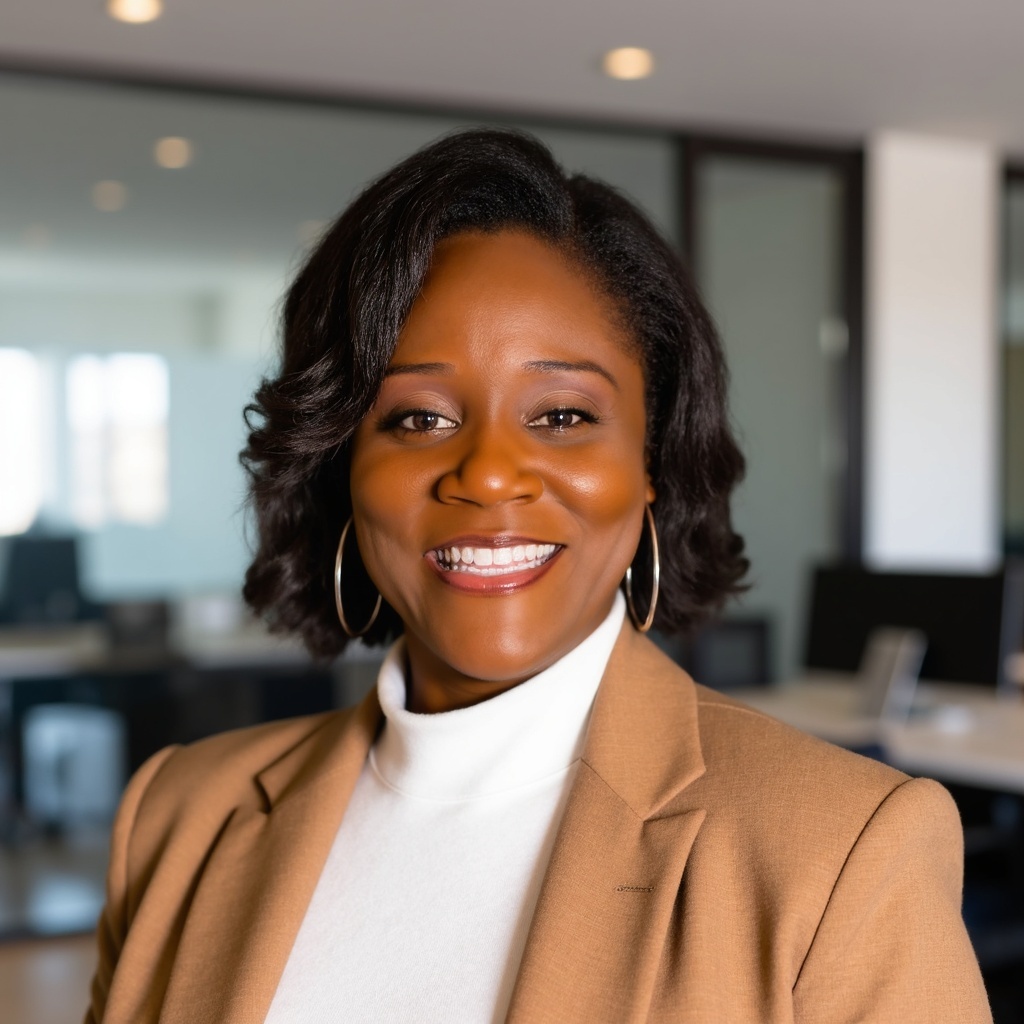
I am Blair Burleson, founder of MS Looks Like Me and Multiple Sclerosis Warrior since February 2018. After receiving a delayed and culturally biased diagnosis, I went out to seek the top MS specialist in the state of Texas. Never did I think I would find such a well-recognized specialist that looked like me! Not only did this extremely credited specialist begin treating my chronic illness from within, but she also made sure I found community.
I had no idea just how important having community was after receiving a chronic diagnosis. As most of us may have assumed, I figured this was a walk that I was taking alone, just the same as having a common cold. I may have a stuffy nose at the moment but what can anyone else do about it? I couldn’t have been more wrong. Having community allowed me to be in a place of vulnerability and find other people that understood what it actually meant to have half of your body go numb from head to toe or know what the term spasticity FEELS like on the inside.
As I have found several other groups and communities to join and build long lasting relationships, one thing that I learned is that we need more. More voices, more advocates, more communities, more resources for patients AND caregivers. This need continued to press and weigh on me as I continued to slowly use my voice in various arenas. As I began to speak more and more raising awareness and addressing disparities, my eyes begin to open and see just how long chronic and rare autoimmune illnesses have impacted my life. My sister diagnosed with stiff person syndrome, father-in-law with guillain barre syndrome, friends with lupus and rheumatoid arthritis…the list could go on and on. While some of the more commonly known autoimmune illnesses may have community, others didn’t because of the rarity of the disease. I recall when my sister was finally diagnosed with stiff person syndrome, after a year of going to hospitals and doctors, her diagnosing physician said that “he would now be considered an expert in stiff persons syndrome because he has seen 3 patients in his lifetime with the illness”. Where was her community? Who could she release her thoughts and fears to? Where were her resources?
This is why MSLLM became so important to establish a place where BLACK, INDIGENOUS, PEOPLE OF COLOR can be provided resources and community for various autoimmune illnesses. I encourage each of you to find community that will help you journey through your new life after diagnosis. Lupus Looks Like Me, Stiff Person Syndrome Looks Like Me, Type I Diabetes Looks Like Me, Guillian Barre Syndrome Looks Like Me, MS LOOKS LIKE ME…